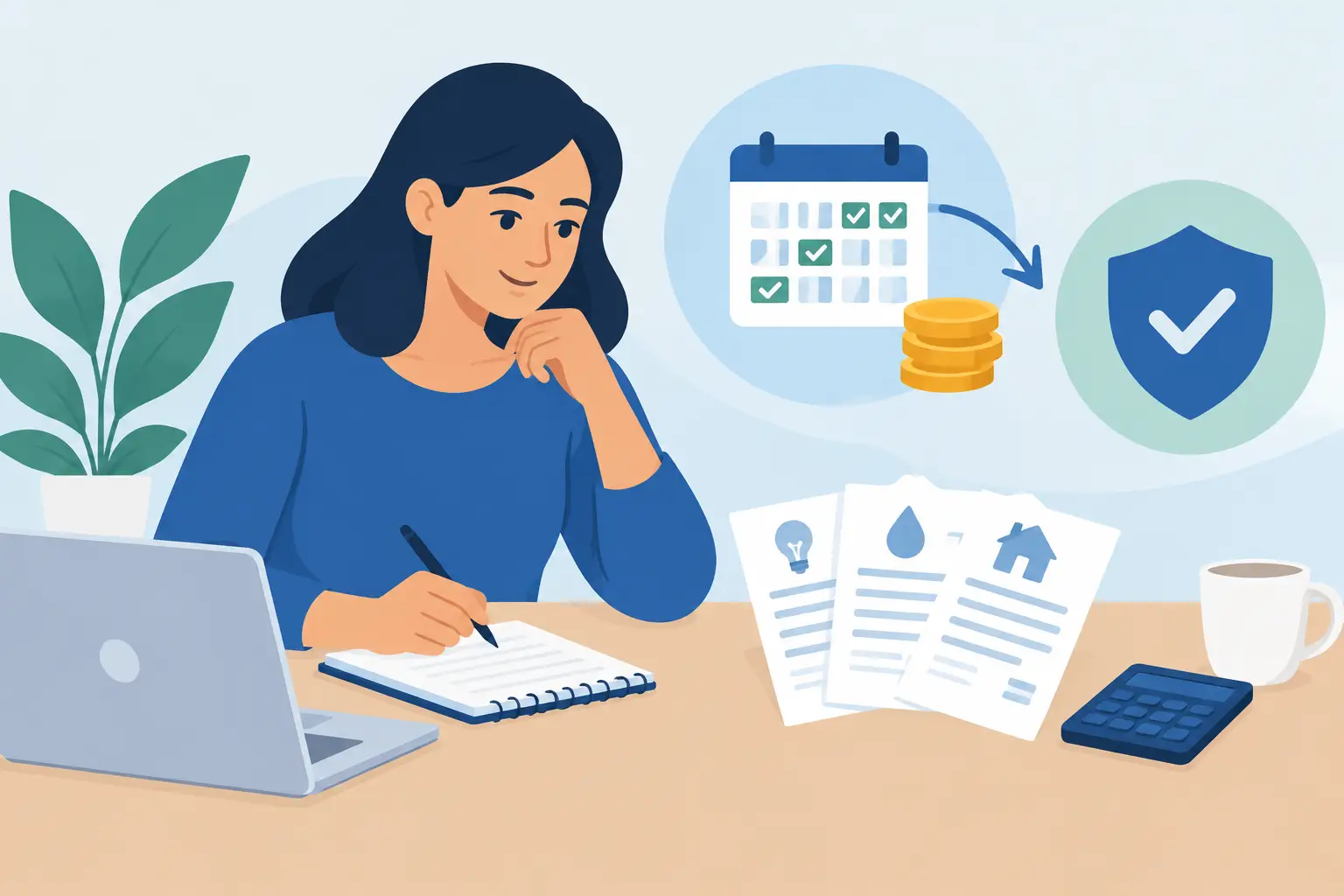
A shutoff notice, overdue rent reminder, or past-due medical balance can make a loan look like the only fast answer. Before taking on new debt, ask whether a hardship payment plan for bills can give you time to catch up. Many creditors, utility companies, landlords, hospitals, and insurers will discuss temporary arrangements when you contact them before the account moves further into collections.
A payment plan does not erase what you owe. It changes when, and sometimes how, you pay. That distinction matters: the right arrangement may prevent a late fee, disconnection, or collection action without adding the high interest and fixed repayment pressure of a short-term loan.
What a hardship payment plan for bills can do
A hardship plan is an agreement with the company you owe. The terms vary widely, but the company may let you split an overdue amount across several months, move a due date, reduce a required payment temporarily, waive a late fee, or pause collection activity while you make agreed payments.
For example, a utility provider may allow a customer with a $360 past-due balance to pay an extra $60 for six months alongside current bills. A hospital may reduce a monthly payment after reviewing income and household size. A credit card issuer may offer a lower interest rate or fixed payment for a limited period, though some programs restrict new charges while the plan is active.
The trade-off is that a lower payment can extend repayment. Interest may continue on some accounts, and missing the new arrangement can end the plan. Get the full terms before you agree, especially the payment amount, due dates, fees, interest treatment, and what happens if you cannot make a payment.
Call before the due date if you can
Companies usually have more options while your account is still current or only slightly behind. Waiting until service has been disconnected, a lease violation has been filed, or an account has been sent to collections can limit your choices. That does not mean you should avoid calling if you are already behind. Call anyway, but be direct about what you can realistically pay.
Start with the billing or customer service number on your statement. Say that you are facing a temporary financial hardship and want to avoid falling further behind. Explain the problem briefly, such as reduced work hours, a medical issue, an unexpected repair, or a gap between jobs. You do not need to share every personal detail.
Then ask for the department that handles payment arrangements, hardship assistance, loss mitigation, or financial assistance. A useful script is: “I can pay $___ on ___ and $___ each month after that. Are there hardship plans, due-date extensions, or fee waivers available for my account?”
Do not promise an amount simply because it may keep the representative on the phone. A plan you cannot maintain may leave you with the original balance, new late fees, and less time to find another option.
Bring numbers, not guesses
Before calling, write down your take-home income, essential expenses, every bill due before your next payday, and the amount you can pay without missing rent, food, medication, transportation, or child care. If you have irregular income, use a conservative estimate instead of your best recent week.
It also helps to have your account number, recent bills, and any documents that show the hardship, such as a reduced-hours notice or medical statement. Not every company requires proof, but being prepared can speed up the review.
After the call, ask for written confirmation by email, mail, or through your account portal. Record the representative’s name, the date, and the terms discussed. A verbal promise is much harder to verify if the account is later marked delinquent.
Which bills deserve attention first?
When money is short, prioritize bills based on the immediate harm of nonpayment, not just which creditor calls most often. Housing, utilities, food, necessary transportation, insurance required to keep your car legally on the road, and medications generally come before unsecured debts such as credit cards or personal loans.
That does not mean ignoring credit card debt. It means protecting the basics first. Losing housing, electricity, water, or transportation can make it harder to keep working and recover financially. Contact every creditor you cannot pay, but direct available dollars toward the bills that protect your home, health, and income.
Utility rules are state-specific. Some states or local providers have seasonal shutoff protections, medical protections, income-based programs, or formal deferred-payment arrangements. Those protections can depend on the utility type, household income, age, disability, weather, or whether you apply before disconnection. Ask your provider what rules and assistance programs apply where you live.
Medical bills also deserve a separate conversation. Request an itemized bill and check for errors or charges your insurance should have covered. Many nonprofit hospitals have financial assistance policies, but eligibility and application deadlines vary. A low monthly plan may be available, and in some cases a financial-assistance review can reduce the balance rather than merely delay it.
Read the terms before accepting
A hardship plan can be helpful, but it is not automatically the best deal. Ask whether interest continues, whether late fees are waived, and whether the arrangement will be reported to credit bureaus as late or under a special repayment status. A creditor may still report accurate missed payments that occurred before the plan began.
For rent, get any arrangement in writing. Confirm the total past-due amount, dates and amounts of catch-up payments, and whether the landlord agrees not to pursue eviction as long as you follow the agreement. Local tenant protections differ, and an informal conversation is not the same as a written agreement.
For auto loans, be especially careful. A payment extension may move one payment to the end of the loan, but interest can continue to accrue. If the lender offers a deferment, ask whether the maturity date changes, whether fees apply, and whether the account remains current. Your vehicle may be at risk if you miss the revised terms.
Avoid paying a third party just to negotiate a simple arrangement you can request yourself. Nonprofit credit counseling agencies can be useful for broader debt problems, but be wary of companies that demand large upfront fees, promise to erase debt, or tell you to stop speaking with creditors.
When a loan may make the problem worse
A loan can seem practical when a bill has a deadline, particularly if your credit is poor and traditional bank options are limited. But borrowing to cover a bill only helps if the new payment fits your budget after the emergency passes. Otherwise, you may trade one overdue bill for a loan payment plus interest, fees, and possible collection consequences.
Payday loans and title loans can create particular pressure because repayment may be due quickly or because a title loan puts your car at risk. Product availability, rate limits, and lender rules vary by state. Even where a loan is legal, its cost can make a temporary shortage harder to manage.
Consider a loan only after comparing the total repayment amount with your other options. A credit union payday alternative loan, a small-dollar installment loan with clear terms, an advance from an employer, or help from family may cost less in some situations. None is risk-free, and approval is never guaranteed. If the payment still does not fit, more borrowing is not a solution.
Free help may fill part of the gap
If your hardship is tied to food, housing, utility service, medical care, or job loss, call 211 to ask about local programs. Community action agencies, utility assistance programs, food banks, legal aid organizations, and nonprofit credit counselors may help with applications, benefits screening, or a plan for multiple debts.
For a disputed bill or collection issue, keep copies of statements, notices, and payments. You may need them when speaking with the company, a consumer protection agency, or legal aid. Do not assume a bill is correct just because it is urgent.
A hardship plan works best when it is built around an honest number, documented in writing, and paired with a plan for the next due date. Making that call may feel uncomfortable, but asking for time before borrowing can protect more of your paycheck for the bills that keep your household stable.